The Benefits of In-Home Senior Assistance: A Comprehensive Guide


Understanding In-Home Senior Assistance
As our loved ones age, ensuring their comfort and safety becomes a top priority. In-home senior assistance offers a personalized approach to caregiving, allowing seniors to receive the help they need while maintaining their independence in familiar surroundings. This guide explores the numerous benefits of choosing in-home care for seniors.
Personalized Care and Attention
One of the most significant advantages of in-home senior assistance is the personalized care plan tailored to each individual's needs. Unlike nursing homes or assisted living facilities, in-home care allows for one-on-one attention, ensuring that seniors receive exactly what they need, when they need it. This customization fosters a sense of security and comfort, promoting overall well-being.
Caregivers can adapt their services to include a range of support, from basic daily activities like bathing and meal preparation to more comprehensive medical care. This flexibility ensures that seniors receive the appropriate level of assistance as their needs evolve.
Maintaining Independence and Comfort
Remaining in a familiar environment can significantly enhance a senior's quality of life. In-home assistance allows seniors to continue their daily routines and enjoy the comforts of their own home. This familiarity provides emotional stability and supports mental health, which is crucial for maintaining a positive outlook on life.

Furthermore, in-home care empowers seniors to maintain their independence by allowing them to make choices about their daily activities and preferences. This autonomy is vital for preserving their dignity and self-esteem.
Cost-Effective Care Solution
In many cases, in-home senior assistance can be a more cost-effective solution compared to residential care facilities. Families can select the level of care that fits their budget, whether it's a few hours a week or full-time support. This flexibility can lead to significant savings over time while ensuring that quality care is not compromised.
Moreover, by avoiding the overhead costs associated with facilities, families can allocate resources to other critical areas, such as medical expenses or home modifications, enhancing the overall quality of life for their loved ones.

Emotional and Social Benefits
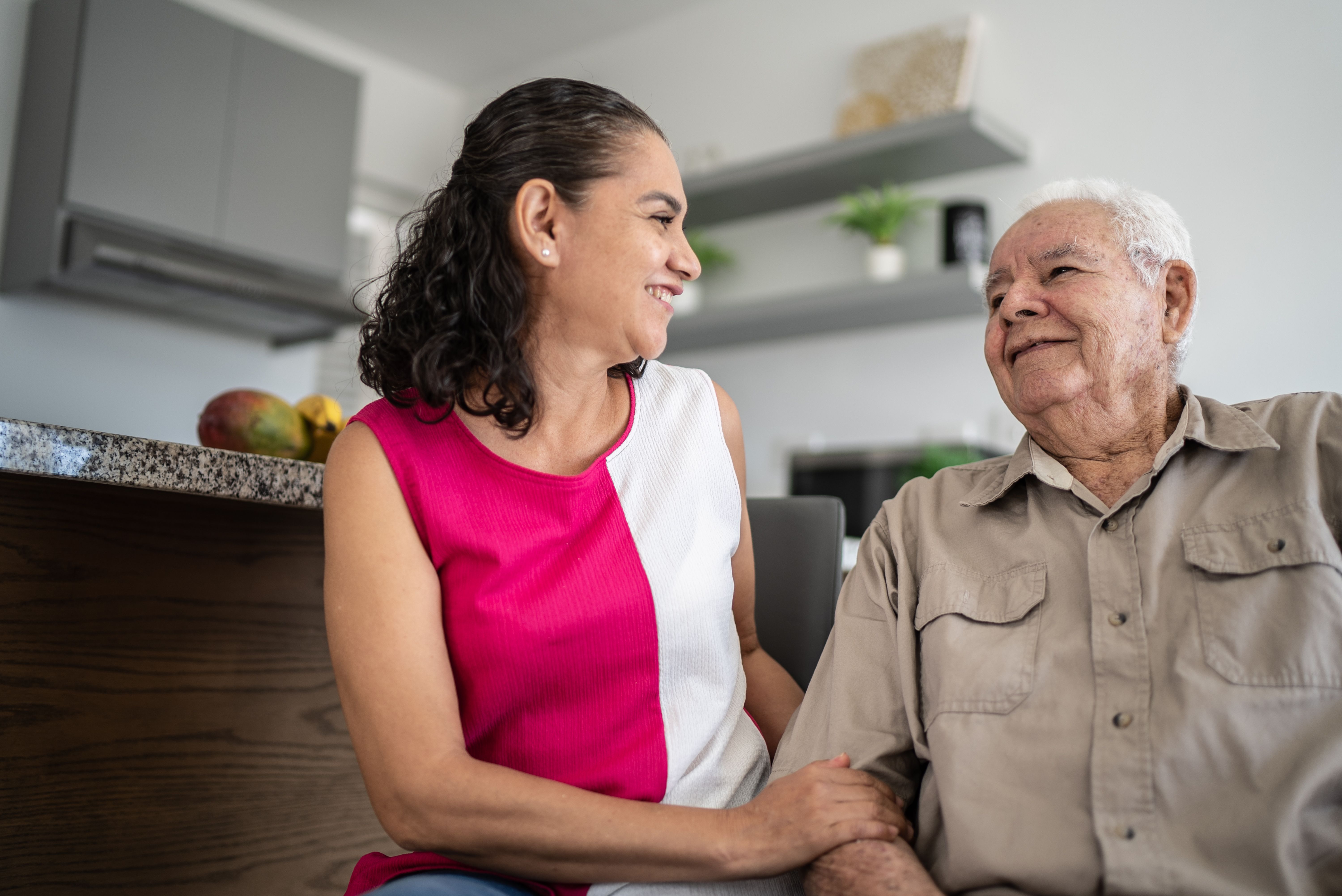
In-home care provides more than just physical support; it offers emotional and social benefits as well. Caregivers often become trusted companions, providing conversation and companionship that enrich the lives of seniors. This relationship can help reduce feelings of loneliness and isolation, which are common among the elderly.
Additionally, with the flexibility of in-home care, seniors can continue participating in social activities, hobbies, and community events that are important to them, further promoting their emotional well-being.
Peace of Mind for Families
For families, knowing that their loved ones are safe and well-cared for brings immense peace of mind. In-home senior assistance allows family members to stay involved in their loved ones' care without the stress of being the primary caregiver. This balance enables families to focus on spending quality time together, creating cherished memories.
In conclusion, in-home senior assistance offers a comprehensive, flexible, and compassionate approach to elder care. By providing personalized support in the comfort of their own homes, seniors can enjoy a higher quality of life, while families gain the reassurance that their loved ones are in good hands.