Case Study: Successful Rehabilitation Support at Home in Los Angeles


Introduction to Home Rehabilitation Support
Rehabilitation support at home has become an essential service for those recovering from surgeries, injuries, or managing chronic conditions. In Los Angeles, the demand for personalized care has grown, highlighting the importance of effective rehabilitation strategies. This case study explores a successful example of home-based rehabilitation that has made a significant difference in patients' lives.
The Initial Challenge
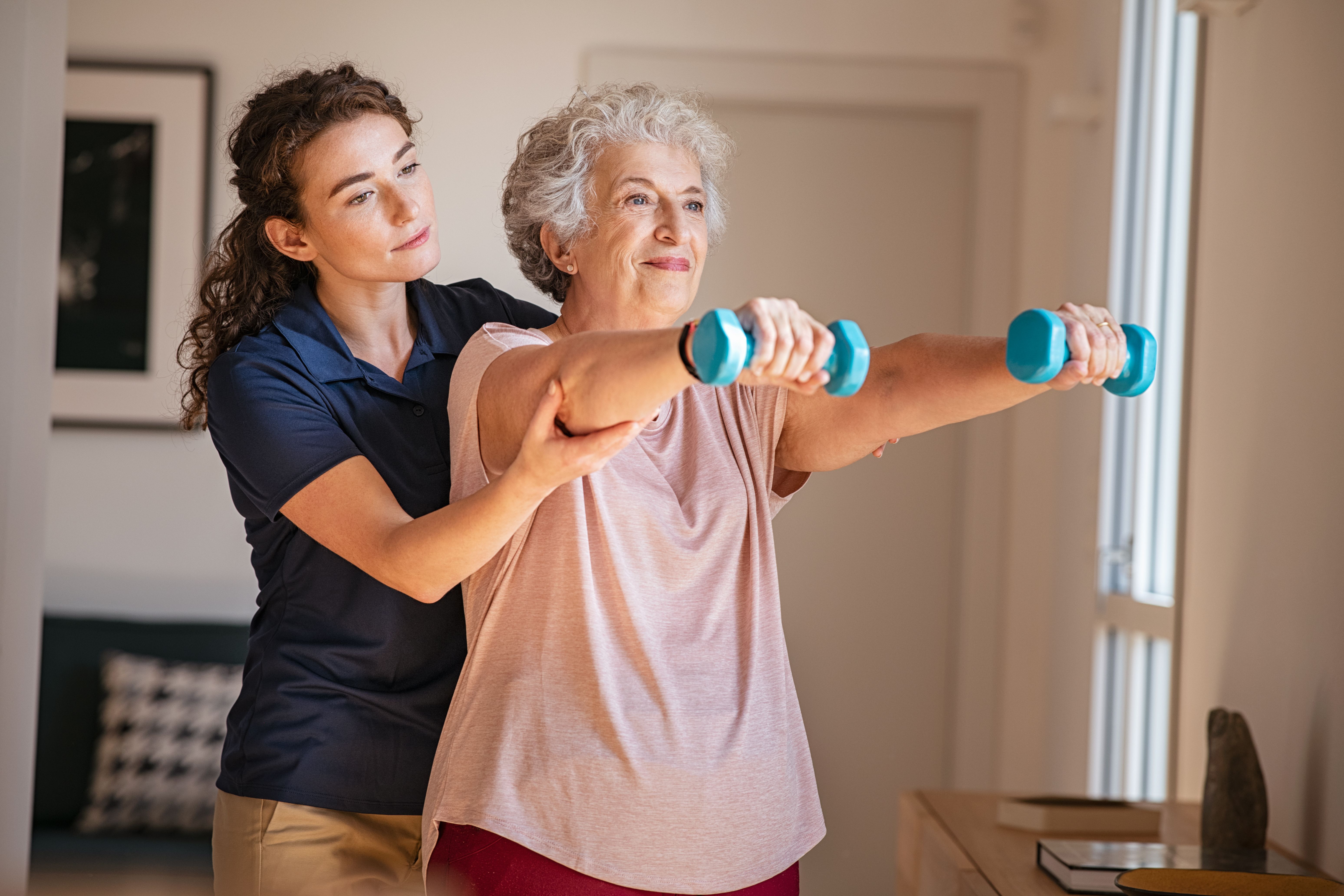
Our case study focuses on a patient named Emily, a 55-year-old woman who underwent knee replacement surgery. Following her procedure, Emily was concerned about her recovery process and how she would manage at home. Her primary goals were to regain mobility, reduce pain, and return to her daily activities as soon as possible.
Emily faced several challenges, including limited mobility and the need for regular physical therapy sessions. The traditional rehabilitation centers were not convenient for her, which led her to explore the option of receiving support at home.
Customized Rehabilitation Plan
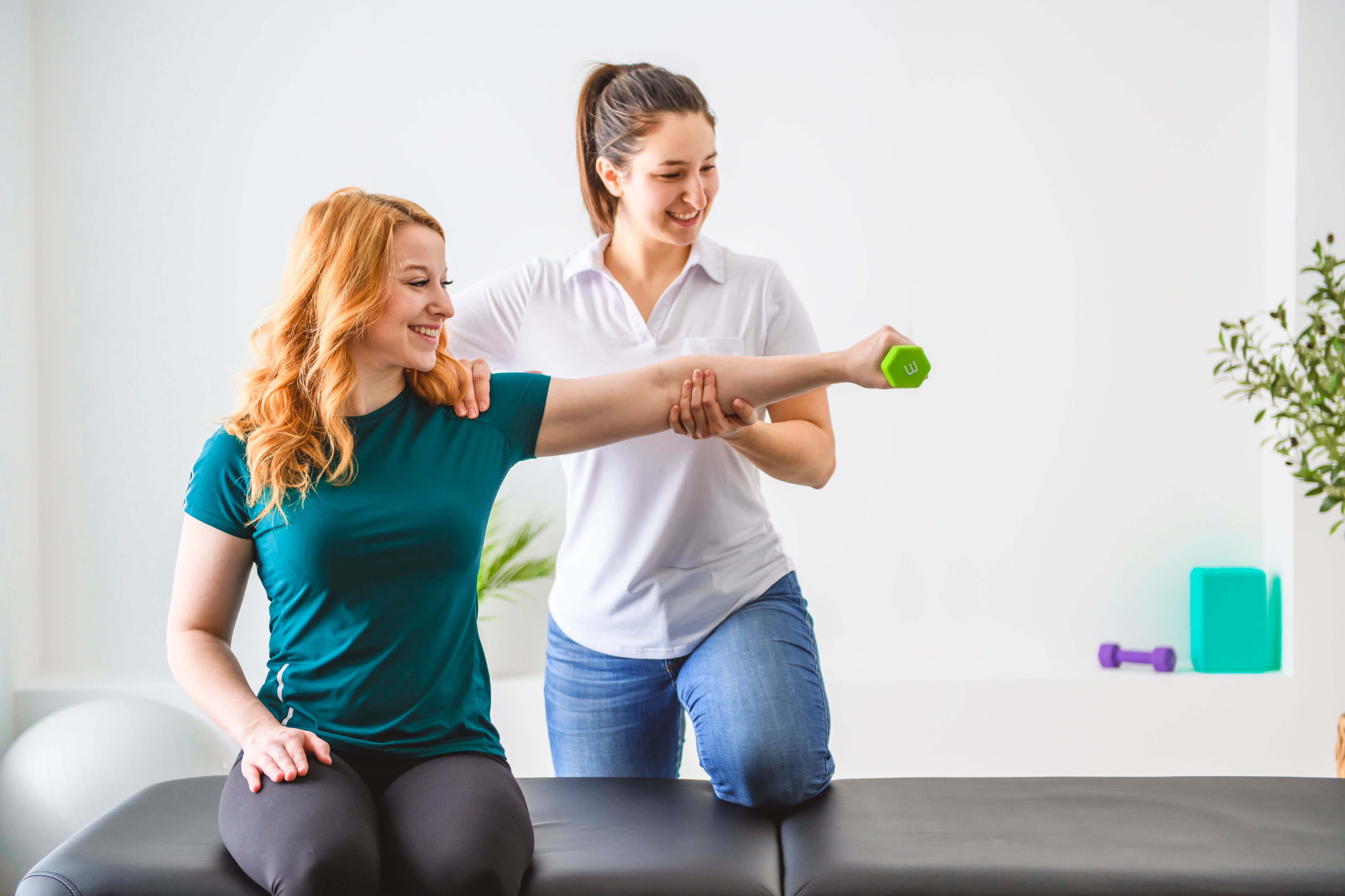
Emily's recovery plan was tailor-made to address her specific needs. A team of healthcare professionals, including a physical therapist, an occupational therapist, and a nurse, collaborated to design a comprehensive rehabilitation program. This program included:
- Personalized exercise routines to improve mobility and strength.
- Regular monitoring of progress and adjustments to the plan as needed.
- Pain management strategies to ensure comfort during recovery.
Benefits of Home-Based Support
The home-based rehabilitation model provided several advantages for Emily:
- Convenience: She could receive care without the need to travel, making it easier to adhere to her recovery schedule.
- Personalized Attention: The one-on-one sessions allowed for more focused care, addressing her specific concerns and questions.
- Familiar Environment: Recovering in her own home helped Emily feel more relaxed and motivated.
Successful Outcomes
Within a few months, Emily experienced remarkable improvements. Her mobility increased significantly, and she was able to walk without assistance. Pain levels decreased, and she regained confidence in performing daily activities.

This successful outcome was attributed to the customized approach and the dedication of the healthcare team. Emily's case highlights the potential of home-based rehabilitation to deliver effective results, tailored to individual needs, and emphasizing patient comfort and convenience.
Conclusion
This case study demonstrates the effectiveness of home rehabilitation support in Los Angeles. By providing personalized, convenient, and focused care, patients like Emily can achieve their recovery goals efficiently. As more people become aware of these benefits, the demand for in-home rehabilitation services is likely to grow, paving the way for more success stories.